
The coldest months in North Macedonia are January and February, when almost the whole country sees frost, snow and cold, often foggy days. December is a cold start to winter, and the deepest cold is in the mountains and high valleys, while the southern lowlands stay milder.
Which months are the coldest?
The peak of the cold comes in January and February: night frosts are frequent, snow is most likely, and the valley fogs are at their most stubborn. December already brings winter weather, and the cold often stretches into early March, especially at altitude.
Where is it coldest in North Macedonia?
The mountains and high ground
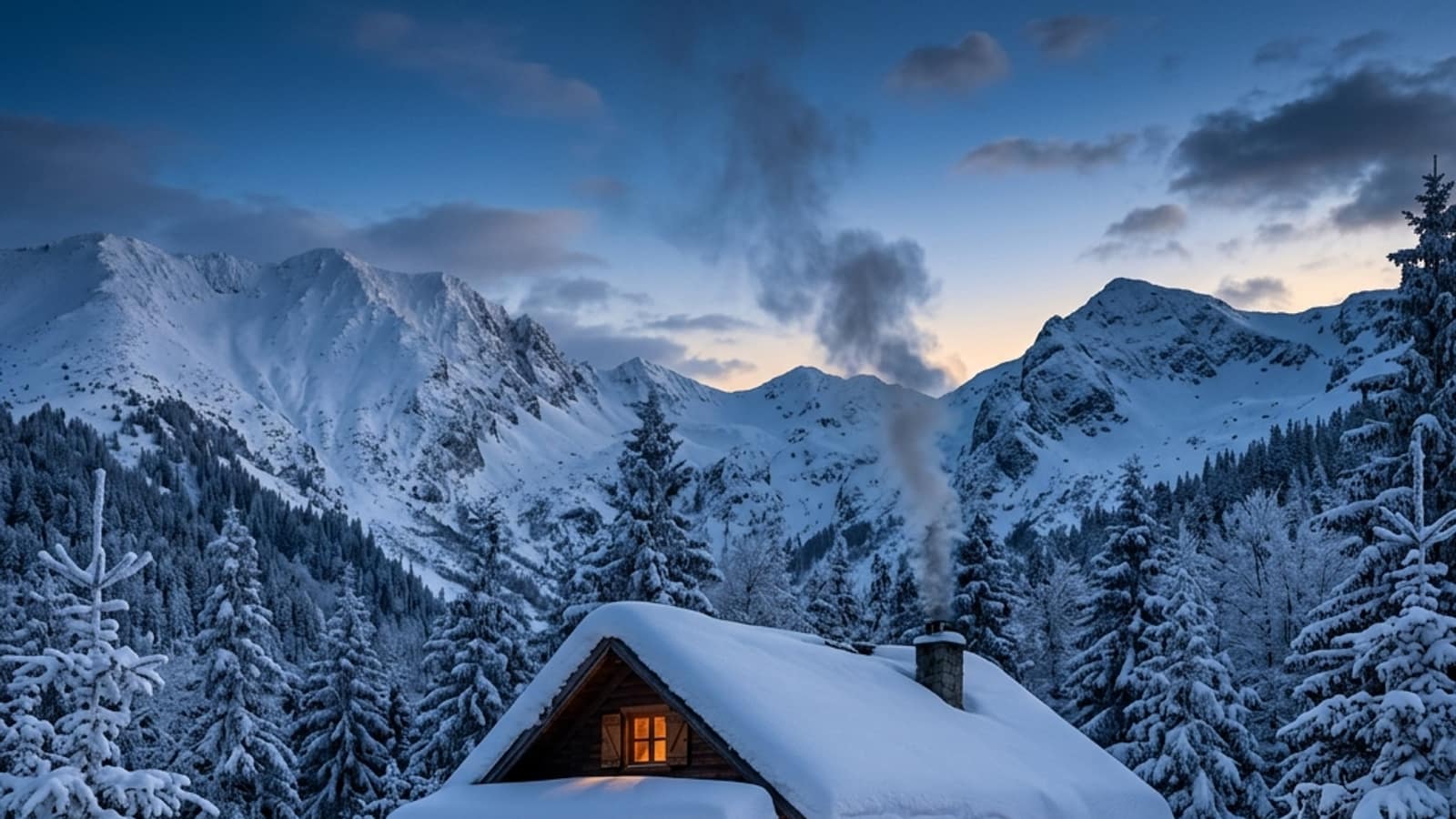
The coldest are the mountain areas and places at high elevation. Temperature falls with altitude, so the peaks and high villages see sharper cold and longer-lasting snow than the lowlands.
The valleys and high plains
Valleys like Skopje's and the high plains trap cold air. At night the heavier cold air drains to the bottom and stays trapped there, a phenomenon called a temperature inversion. The result is frost, stubborn fog and cold days even when it is brighter above the valley.
The southern lowlands
The lowlands of the south, along the Vardar valley, have milder winters thanks to the low elevation and the Mediterranean influence. Snow is rarer here and the winters are softer.
Why do the valleys feel colder?
Even when the measured temperature is not extreme, the valleys feel colder because of the fog and the inversion. The damp, still, cold air sitting at the bottom gives an impression of deeper cold than in open, ventilated places. That is why Skopje's winter often looks greyer and feels colder than the thermometer suggests.
How to prepare for the cold
In the coldest months expect frost in the morning, possible snowfall and fog in the valleys. In the mountains the cold is sharper, so clothing and road conditions need attention. For the exact temperatures and snow prospects over the coming days, check the current forecast for your city.