

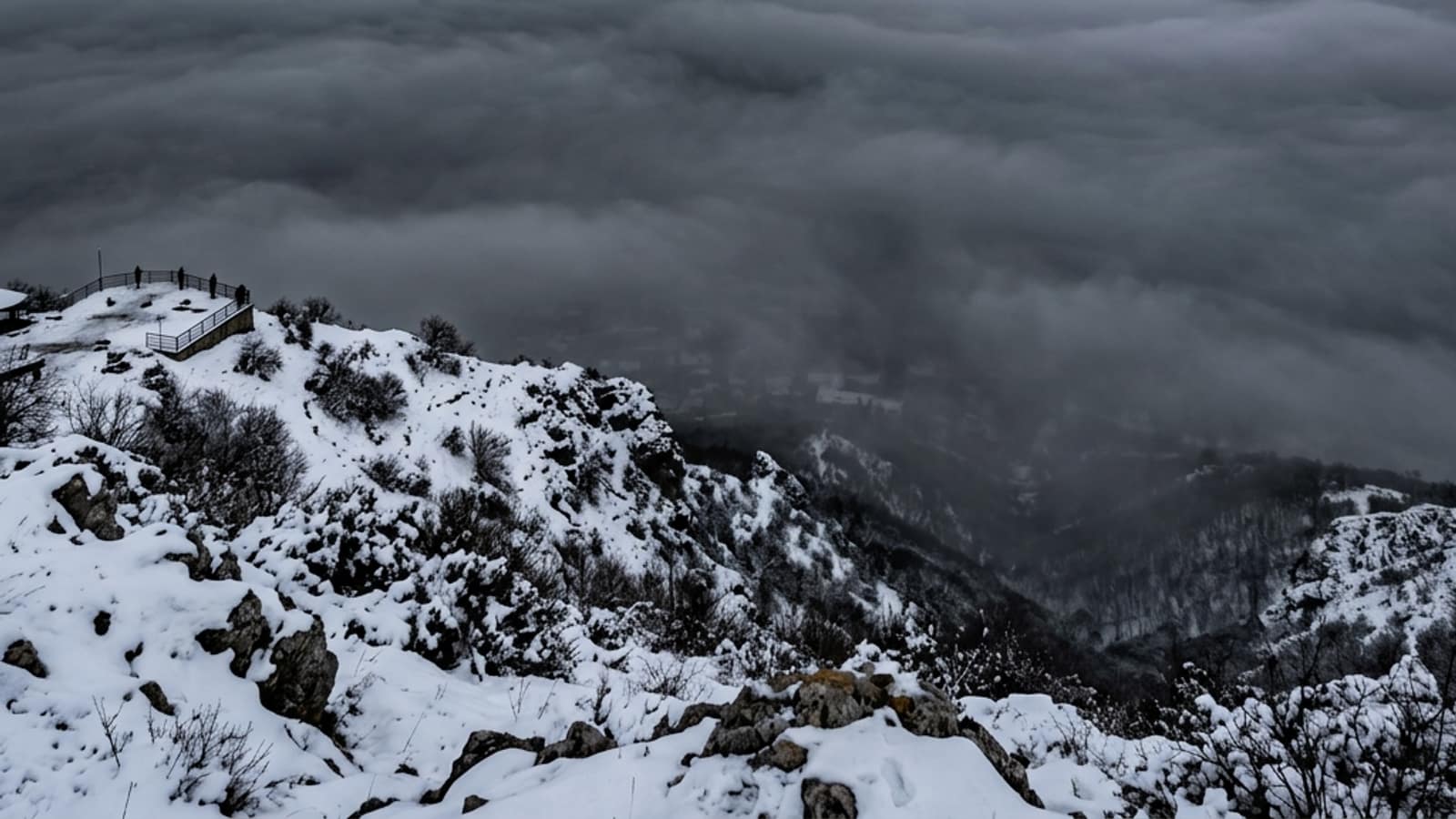
Skopje is most polluted in winter because it lies in a valley surrounded by mountains. In calm, cold weather a temperature inversion forms, acting like a lid over the city and trapping the polluted air from heating, traffic and industry near the ground, where it accumulates for days instead of dispersing.
Why exactly in winter?
Skopje's winter air problem is the meeting of three things: the city's terrain, the winter weather, and the pollution sources that are most active in winter. In summer the air mixes and disperses more easily; in winter the opposite happens.
What is a temperature inversion?
Normally, air gets colder as you go higher. In a temperature inversion this is flipped: a layer of warm air sits above the colder air near the ground.
That warm layer acts as a lid. The polluted, cold air beneath it cannot rise and disperse, so it stays trapped near the ground. In a valley like Skopje's, where the mountains already block the wind, the inversion makes the ventilation even weaker.
Where does the pollution come from?
The main sources are tied to the cold weather and everyday city life:
- Home heating, especially the burning of wood and other solid fuels in winter.
- Traffic: exhaust from vehicles in the densely populated valley.
- Industry and other sources in and around the city.
In winter, heating runs at its peak precisely when the inversion least allows the air to clear, so the pollution accumulates.
When is it worst, and when better?
Pollution is at its worst on calm, windless, cold days, when the inversion is strong and lasts longer. Conversely, wind, rain and snow mix and clear the air, so after a change in the weather the quality often improves quickly.
That is why Skopje's air quality can differ drastically from day to day depending on the weather.
How to protect yourself
On days with a high pollution index:
- Limit strenuous outdoor activity, especially for children, older people and people with respiratory problems.
- Keep the windows closed during the most polluted hours.
- Use an indoor air purifier if you can.
To know when to take care, follow the daily air quality index for Skopje and plan outdoor activities on the better days. If you want to understand what the numbers themselves mean, see the guide on what the AQI index is.